Get Started Guide: Your Essential Pathway for 2026
Prepare for 2026 with our Get Started Guide Gain expert insights actionable steps and proven strategies to achieve your goals and stay ahead of the curve
published
Are you ready to get started on your journey to success in 2026? The coming year promises rapid change, new opportunities, and unexpected challenges for individuals and professionals alike.
This Get Started Guide is your essential map for navigating what lies ahead. Inside, you will find practical steps, expert insights, and curated resources to help you set and achieve your most important goals for 2026.
We will explore what it means to get started in today's fast-paced world, guide you through defining clear objectives, and help you build a solid foundation for growth. You will learn proven strategies, ways to track progress, and how to overcome common obstacles.
Now is the time to prepare for the future. Follow this guide and take the first confident step toward your 2026 ambitions.
Understanding "Get Started" in 2026
As we move toward 2026, the phrase "get started" carries more weight than ever before. Understanding what it truly means can help you unlock opportunities, drive momentum, and position yourself for growth in a rapidly changing world.
The evolving meaning of "get started"
The concept of "get started" has evolved over time, shifting from a simple call to begin something into a nuanced, action-oriented mindset. Historically, "start" was often used to mark the initiation of a task or project. Today, "get started" implies not just beginning, but also embracing a proactive stance and building momentum.
There is a subtle but important difference between "get started" and "start." For example, "get started on your career change" suggests taking the first actionable steps, while "start your career change" might imply a one-time kickoff. Insights from StackExchange highlight that "get started" often signals a progression, not just an initial move.
In project management and personal growth, "get started" sets the tone for ongoing engagement. It encourages you to gather resources, plan your approach, and commit to continuous effort. This phrase is used across both formal and informal settings, from business strategies to motivational conversations.
Consider the difference in these scenarios:
"Get started with your business plan" encourages ongoing refinement.
"Start your business plan" may focus only on the initial draft.
In the era of digital transformation, "get started" is especially relevant. It emphasizes adaptability, learning, and iterative progress, which are critical as new technologies reshape industries.
Why 2026 is a pivotal year
Looking ahead, 2026 marks a major turning point across technology, the economy, and the workplace. Emerging trends such as artificial intelligence, sustainability initiatives, and remote or hybrid work models are transforming how we operate.
Data from the Future of Jobs Report 2025 underscores the rising demand for new skills and adaptability. Industries are projected to grow in areas like AI, data analysis, and green technologies, making it essential to get started on upskilling and strategic planning now.
Societal shifts, including an increased focus on work-life balance and digital fluency, are setting the stage for rapid change. Companies and individuals who get started early with future-ready skills and frameworks will have a clear advantage.
Take AI integration, for example. Organizations that get started with AI adoption now are more likely to thrive as automation becomes widespread. Similarly, those prioritizing sustainability and flexible work will be best positioned for success.
The urgency to get started is clear. Early preparation gives you a head start, helping you anticipate challenges and seize opportunities as 2026 approaches.
Defining Your 2026 Objectives
To get started on the right path for 2026, defining your objectives is essential. Many overlook the power of clear intention, but this step creates the foundation for every future action. By setting purposeful goals, you not only clarify what you want to achieve but also streamline your approach as you get started. Whether your focus is professional advancement, launching a business, or personal growth, it all begins with a well-defined goal.
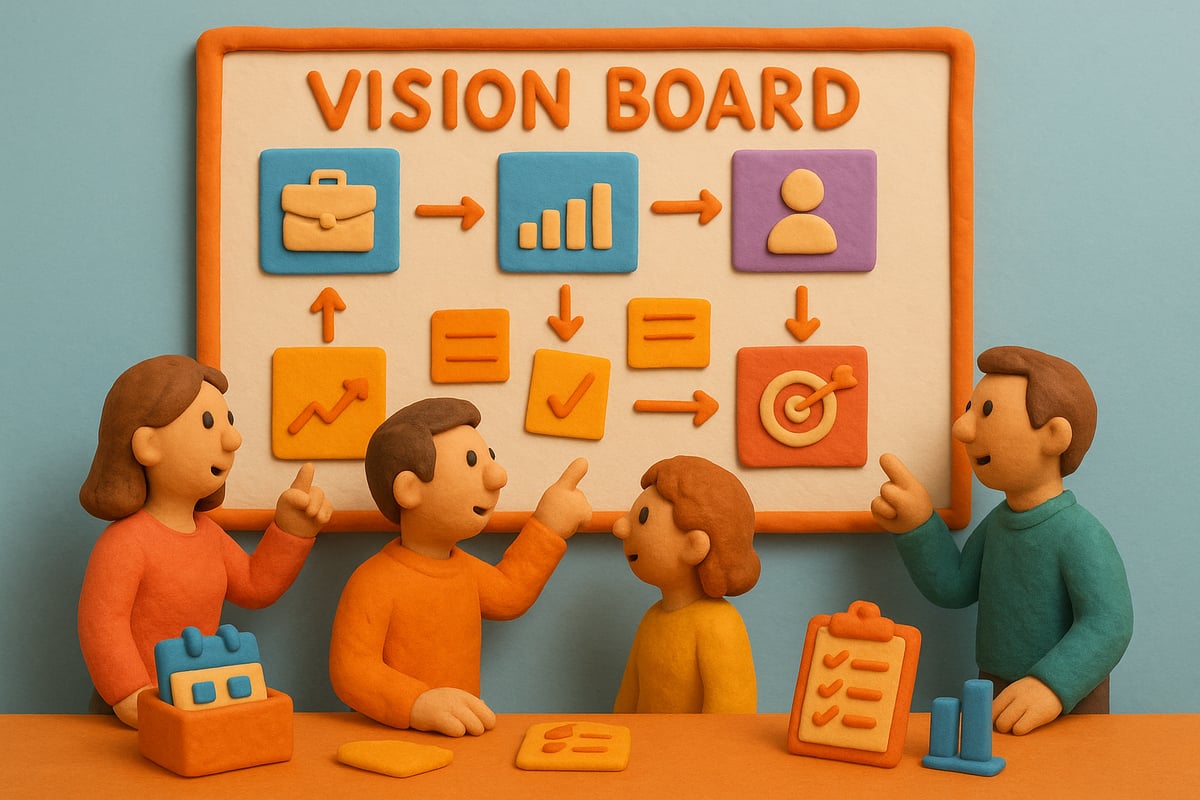
Setting clear, actionable goals
When you get started with 2026 planning, clarity is your strongest ally. Vague intentions lead to scattered efforts, while actionable goals drive real progress. One proven method is the SMART framework, which emphasizes goals that are Specific, Measurable, Achievable, Relevant, and Time-bound. For a deeper understanding, you can refer to What Are SMART Goals?, which breaks down each element and offers practical tips.
Consider these examples as you get started: aiming for a promotion in your field, expanding your business into a new market, or mastering a new technology. Align your objectives with anticipated trends for 2026, such as AI integration or sustainable practices. Distinguishing between short-term tasks and long-term objectives is also crucial. Tools like vision boards and digital planners help transform aspirations into concrete plans, making it easier to get started and maintain momentum.
Prioritizing for impact
Once you get started with goal-setting, the next step is prioritization. Not all objectives carry equal weight, so focus on those that deliver the greatest impact. Balance is key—consider your personal, professional, and financial aspirations. Use proven techniques like the Eisenhower Matrix to categorize goals by urgency and importance, or apply the Pareto Principle to identify the 20 percent of actions that yield 80 percent of results.
Real-world success stories show that individuals and organizations who get started by prioritizing wisely achieve more meaningful outcomes. For instance, a professional who focused on upskilling in high-demand areas saw significant career growth, while a business that targeted its most profitable segment sustained long-term progress. To avoid overwhelm, separate must-do goals from nice-to-have ambitions, ensuring your energy is directed where it matters most as you get started for 2026.
Building a Solid Foundation for Success
A strong foundation is the bedrock for any successful journey, especially when you aim to get started on your most important goals for 2026. Before you make progress, you need to know where you stand, what you need, and how to chart a clear path forward. This section will guide you through assessing your current position, gathering essential resources, and creating an actionable roadmap to ensure you can get started with confidence.
Assessing your current position
Before you get started on new initiatives, take stock of your current skills, resources, and mindset. Begin with a thorough self-assessment to identify your strengths and areas for growth. Ask yourself: What skills do I currently possess, and which are lacking for 2026? Are there emerging technologies or trends I need to understand?
List your resources:
Professional experience
Technical abilities
Access to tools and networks
Mindset is equally important. Are you open to change and willing to get started with new learning? Use feedback from peers or mentors and benchmark against industry standards to see where you stand.
A simple table can help clarify your starting point:
Area | Current Level | Target for 2026 | Gap |
|---|---|---|---|
Digital Skills | Intermediate | Advanced | Upskill |
Network | Local | Global | Expand |
Mindset | Reactive | Proactive | Shift |
According to recent workforce studies, digital literacy and adaptability are among the top skill gaps projected for 2026. By understanding your baseline, you position yourself to get started on the right foot.
Gathering resources and support
Once you know your starting point, the next step is to gather the resources and support systems you need to get started. In today's interconnected world, a wealth of tools is available to help you build momentum. Online courses, webinars, and digital platforms can bridge skills gaps. Seek out mentorship and join professional communities for accountability and encouragement.
Consider the following resources:
Online learning platforms (MOOCs, certification sites)
Peer and industry groups (forums, Slack channels)
Financial planning tools (budgeting apps, investment guides)
Emotional support systems (coaching, wellness groups)
Mentorship can accelerate your ability to get started by providing guidance and real-world advice. Networking events and online communities, such as those highlighted in the Clayworks Blog: Insights & Guides, offer actionable strategies and peer support to help you stay on track.
Remember, preparing for 2026 requires both practical and emotional resources. Building a diverse support network ensures you have the encouragement and knowledge needed to get started no matter what challenges arise.
Creating an actionable roadmap
After assessing your position and gathering resources, it is time to create a step-by-step plan to get started on your 2026 objectives. Break down your goals into concrete, manageable steps and set realistic milestones. Use timeline planning to map out key actions over months and quarters.
Agile planning is crucial. Stay flexible and adapt your roadmap as circumstances evolve. Schedule regular check-ins—monthly or quarterly—to review your progress and adjust your strategy.
Visual aids like Gantt charts, digital calendars, or project management tools can make it easier to track milestones and stay organized. Here is an example of how to structure your roadmap:
Define your main goal for 2026
List supporting actions (skills to learn, connections to make)
Assign deadlines to each milestone
Plan for regular reviews and adjustments
By translating your ambitions into a clear, actionable roadmap, you make it easier to get started and maintain momentum. This foundation will empower you to navigate the evolving landscape of 2026 with clarity and confidence.
Step-by-Step Guide: Your Essential Pathway for 2026
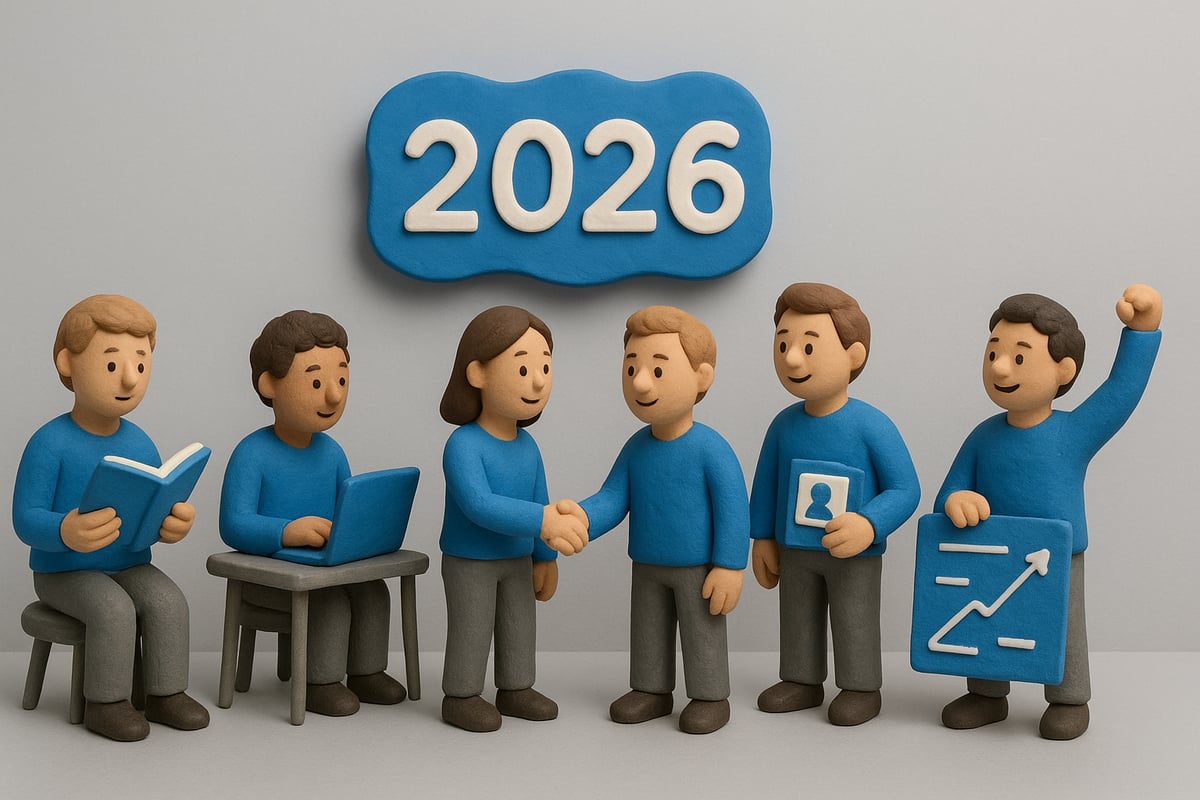
Ready to get started on your journey toward 2026 success? This step-by-step guide breaks down the essential actions you need to take. By following each stage, you will ensure that your efforts are focused, strategic, and adaptable to the evolving landscape.
Step 1: Research and Information Gathering
The first step to get started is gathering reliable information about what 2026 may bring. Stay up to date on trends, innovations, and regulatory shifts. Seek out authoritative sources such as industry reports, whitepapers, and respected think tanks.
Review annual forecasts and technology outlooks.
Monitor economic and regulatory updates.
Track competitor and market developments.
Data-driven decision-making positions you for proactive choices. Regularly review news, subscribe to relevant newsletters, and join webinars or conferences. This ongoing research ensures you get started with a clear understanding of emerging opportunities and risks. Use digital tools to organize findings and identify knowledge gaps early.
Step 2: Skill Development and Learning
Once you get started on your research, pinpoint the skills most in demand for 2026. AI, data literacy, and sustainability expertise will be critical across industries. Curate a personalized learning path using online courses, certifications, and workshops.
Identify top skills required in your field.
Enroll in MOOCs and professional development programs.
Schedule regular learning sessions.
Keep track of your progress with journals or digital trackers. For instance, many tech jobs now require AI skills, making it essential to prioritize continuous education. Reflect on learning outcomes and adjust your approach to ensure you get started on the right path for your chosen objectives.
Step 3: Building Your Network and Community
To get started with networking, focus on building authentic connections in your industry or area of interest. Attend in-person events, join online forums, and participate in professional groups.
Leverage platforms like LinkedIn and industry Slack channels.
Engage in discussions and share insights.
Seek mentorship and offer support to peers.
Strong networks provide access to new opportunities, feedback, and collaborations. Remember, your network can help you get started on projects, find job leads, or access resources you might not uncover alone. Make networking a regular, intentional activity for lasting impact.
Step 4: Developing a Personal Brand or Business Presence
When you get started on your personal brand, think about how you wish to be perceived both online and offline. Craft a compelling narrative that highlights your expertise, values, and achievements.
Build a personal website or portfolio.
Share thought leadership content on social media.
Request testimonials and showcase endorsements.
A strong personal brand can open doors to new roles, partnerships, or clients. Use visuals and consistent messaging to reinforce your identity. As you get started, remember that authenticity and credibility are key to standing out and attracting the right opportunities.
Step 5: Implementing and Iterating Your Plan
Now, get started on turning your plans into action. Break your objectives into manageable tasks, set milestones, and monitor your progress with key performance indicators.
Use digital planners and project management tools.
Schedule regular check-ins and reviews.
Adapt strategies based on results and feedback.
To make this easier, you can Sign Up for Clayworks Platform and begin tracking your journey right away. This step is about consistency—take the first action, evaluate outcomes, and iterate as needed. When you get started with a flexible mindset, you can adjust to new challenges quickly.
Step 6: Staying Motivated and Accountable
The final step is to get started with systems that keep you motivated and accountable. Establish routines, celebrate small wins, and reflect on setbacks as learning opportunities.
Use habit trackers and productivity apps.
Find an accountability partner or join a mastermind group.
Schedule weekly or monthly reflection sessions.
Sustained motivation is crucial for long-term success. As you get started, remember that progress is a series of small, intentional steps. Embrace both achievements and setbacks as part of the journey, and adjust your approach to maintain momentum toward your 2026 goals.
Overcoming Common Obstacles on the Pathway
Everyone who wants to get started on ambitious goals for 2026 will encounter some obstacles along the way. Recognizing these challenges early puts you in a stronger position to address them with confidence and resilience.
Identifying typical challenges
When you get started on any major initiative, you’re likely to face a range of common obstacles. One of the most frequent hurdles is analysis paralysis, where the sheer volume of information or choices makes it difficult to take the first step. This often leads to hesitation and stalls momentum before you truly get started.
Another widespread challenge is fear of failure or perfectionism. Many people delay progress because they want to get started perfectly, rather than making iterative improvements along the way. This mindset can prevent you from learning through experience.
Other typical barriers include a lack of time, resources, or support. Competing priorities can make it difficult to get started on what matters most, especially when juggling personal and professional responsibilities. Resistance to change and comfort zone bias also play a role, as people often stick with familiar routines instead of embracing new opportunities.
Consider these real-world scenarios:
A professional wants to get started with upskilling but feels overwhelmed by the number of courses available.
An entrepreneur hesitates to get started on a business idea due to fear of making mistakes.
A team delays a project launch because they are waiting for the "perfect" conditions.
Identifying these obstacles helps you prepare effective solutions and avoid being derailed as you get started on your pathway.
Proven strategies to overcome barriers
To successfully get started and sustain momentum, break down large tasks into smaller, manageable steps. This makes progress feel achievable and less intimidating. Seek mentorship or peer support to benefit from the experiences of others who have already navigated similar paths. Data consistently shows that those who reach out for help are more likely to achieve their goals than those who attempt to get started alone.
Shifting your mindset is critical. Embrace growth and resilience by viewing setbacks as opportunities to learn. Celebrate small wins to build confidence as you get started, and remember that progress is rarely linear.
Leverage technology to streamline your journey. Productivity apps, online communities, and resource platforms provide structure and encouragement as you get started. For example, those interested in dedicated digital tools and peer support can Join the Clayworks Waitlist to access resources designed to help you get started on your 2026 goals.
In summary, overcoming obstacles is less about avoiding difficulties and more about adopting proactive strategies. By breaking tasks down, seeking support, and leveraging the right tools, you can get started with clarity and purpose, staying on track even when challenges arise.
Tracking Progress and Adjusting Your Approach
Success in 2026 is not just about how you get started, but how you consistently measure, review, and adapt your journey. Progress tracking is the compass that ensures your efforts align with your goals, allowing you to make informed decisions at every step.
Measuring success
To truly get started on your 2026 objectives, it is crucial to define what success looks like. This means setting clear metrics and milestones that map to your larger goals. Quantitative measures, such as completed certifications or increased revenue, offer objective proof of progress. Qualitative indicators, like improved confidence or stronger team collaboration, give valuable context.
A practical approach is to create a table of your key performance indicators (KPIs):
Objective | Metric Example | Tool/Method |
|---|---|---|
Upskill in AI | Complete AI course | MOOC platform, tracker |
Grow business revenue | 15% year-over-year growth | Spreadsheets, dashboard |
Enhance leadership skills | Monthly feedback from team | Surveys, journals |
Digital tools, such as habit trackers, project management apps, and spreadsheets, make it easier to get started with monitoring. For those aiming to develop in-demand expertise, tracking your progress in areas like artificial intelligence is vital, especially as 50% of Tech Jobs Now Require AI Skills. Regularly reviewing these metrics keeps you accountable and motivated as you move forward.
Reviewing and refining your strategy
Once you get started, the next step is to build a habit of regular reflection and adjustment. Monthly and quarterly reviews help you compare your progress against your original roadmap. This process ensures that your efforts remain aligned with your evolving priorities, even as circumstances change.
Consider these steps for an effective review process:
Schedule a recurring time for reflection (e.g., end of each month).
Analyze which actions moved you closer to your goals.
Identify any barriers or unexpected outcomes.
Adjust your plan, reallocating resources or shifting milestones as needed.
Learning from setbacks is an integral part of growth. When you get started on new initiatives, not every step will go as planned. Use each review period as an opportunity to pivot, experiment, and refine your approach. Leveraging feedback from mentors or peer groups can also provide new insights into how to optimize your strategy over time.
Preparing for long-term sustainability
To get started on a path that endures beyond 2026, you must focus on building habits and systems that support lasting success. This means embedding regular learning, adaptability, and self-assessment into your routine. Future-proofing your skills is essential, as the landscape will continue to shift with new technologies and market demands.
For example, staying aware of The 10 Hottest IT Skills for 2026 can inform your ongoing learning strategy. Adopt tools like digital planners, automatic reminders, and habit trackers to maintain momentum. The key is to view each achievement as a step in an ongoing journey, not a final destination.
Embrace lifelong learning to ensure that, no matter what changes arise, you are always ready to get started on the next opportunity.