Get A Better Guide: Expert Tips For Improvement In 2026
Unlock your potential and get a better guide for 2026 with expert tips, proven strategies, and actionable insights to drive personal and professional growth.
scheduled
Are you ready to get a better understanding of how to reach your full potential in 2026? This guide is designed to help you transform both your personal and professional life with proven strategies and expert advice. You will discover the science behind improvement, step-by-step plans, actionable mindset shifts, and insights from top performers. By following this roadmap, you can confidently achieve meaningful growth and lasting results for the year ahead.
Understanding the Science of Improvement
Unlocking how to get a better outcome in your personal and professional life starts with understanding the science behind improvement. By examining both psychological principles and hard data, you can set yourself up for real, lasting change.
The Psychology of Getting Better
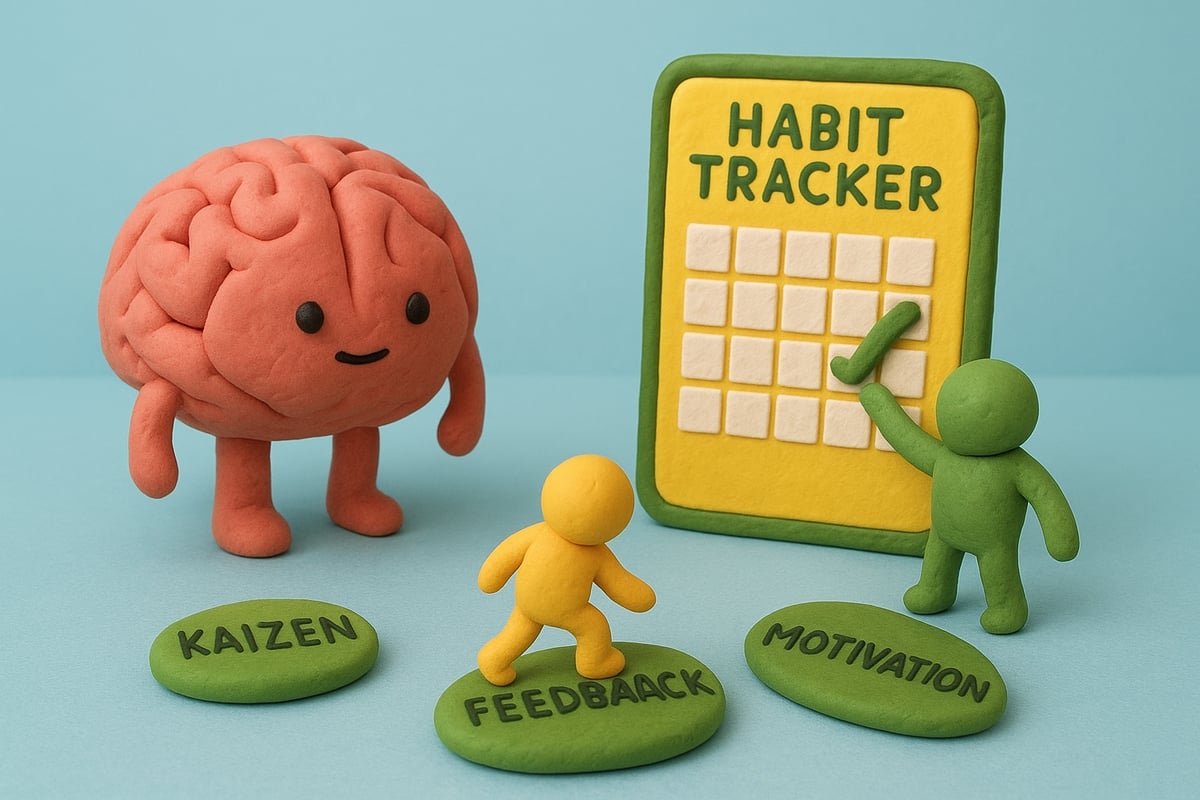
The journey to get a better version of yourself is grounded in proven psychological concepts. One powerful idea is the Kaizen principle, which focuses on making small, incremental improvements that add up over time. Research shows that even minor daily changes can lead to transformative results. For a deeper dive, the Kaizen principle in continual learning demonstrates how this approach drives measurable growth.
Your brain is designed to adapt and grow through neuroplasticity. Practicing new skills or behaviors physically reshapes neural pathways, making it easier to maintain positive change. This is why forming new habits is critical. In fact, studies from Duke University reveal that about 45 percent of our daily actions are habitual, highlighting how routines can either support or hinder our ability to get a better outcome.
Feedback loops are another essential mechanism. When you receive constructive feedback, your brain can adjust and optimize behaviors. Cognitive behavioral research shows that breaking negative cycles and reinforcing positive actions makes improvement sustainable. Motivation and self-efficacy—the belief in your ability to succeed—are vital for fueling this process. When you trust that you can get a better result, you are more likely to persist and grow.
Key Metrics and Data on Self-Improvement
To get a better understanding of what works, it helps to look at the numbers. Only 8 percent of people achieve their goals, according to research from the University of Scranton. However, using habit trackers can increase your success rate by 40 percent, showing the power of monitoring your progress when you want to get a better result.
Metric | Statistic |
|---|---|
Goal achievement rate | 8% |
Habit tracker success boost | +40% |
Daily actions that are habitual | 45% |
Accountability is another key driver. Studies indicate that people who share their goals with peers or mentors are significantly more likely to follow through. Peer support creates a feedback-rich environment that helps you get a better result in both personal and professional domains.
Tracking progress, reflecting on results, and celebrating small wins all contribute to lasting improvement. By combining psychological insight with actionable data, anyone can get a better foundation for success.
Step-by-Step Guide: Proven Strategies for Getting Better in 2026
Ready to get a better grip on your growth journey? This step-by-step guide is designed to help you unlock measurable improvement in 2026. Each strategy builds on evidence-based practices, ensuring you can get a better outcome both personally and professionally.
Step 1: Set Clear, Achievable Goals
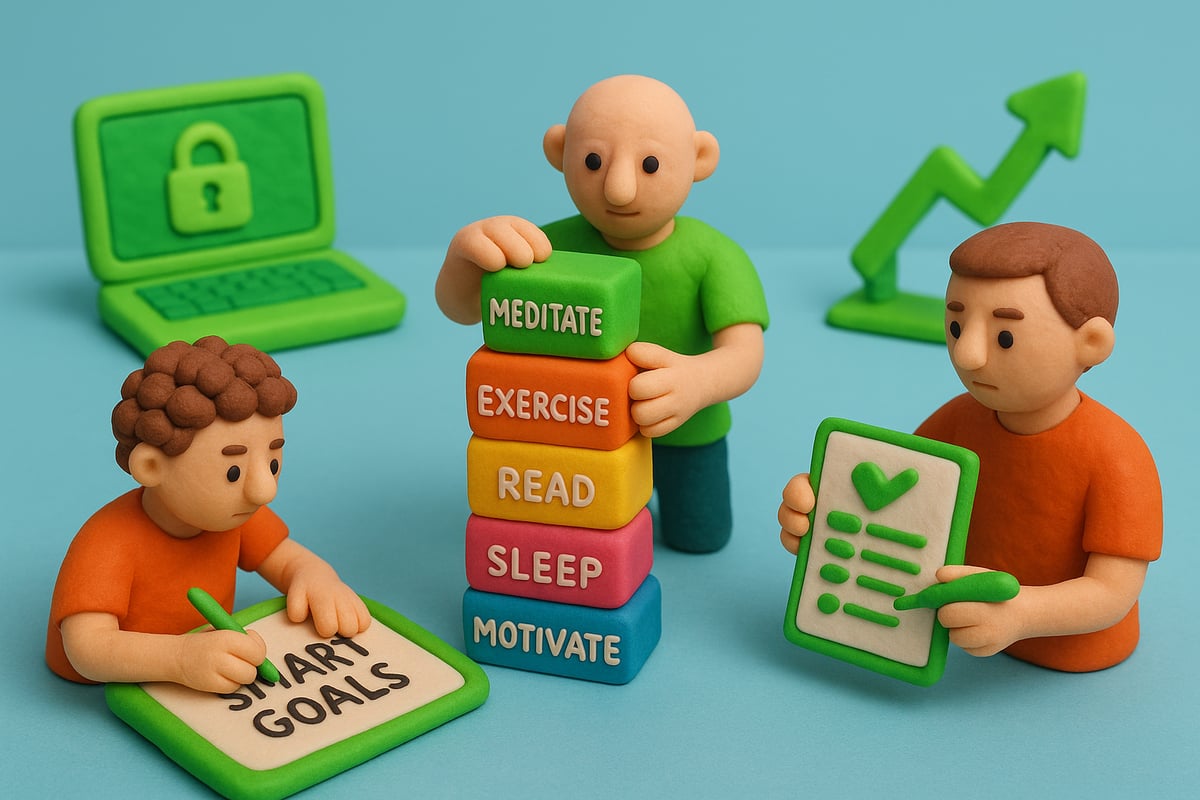
To get a better result in any area, start by defining your goals with precision. The SMART framework is essential: goals should be Specific, Measurable, Achievable, Relevant, and Time-bound. For example, instead of “be healthier,” try “walk 8,000 steps daily for the next 90 days.” This clarity lets you track progress and celebrate achievements.
Break big ambitions into smaller, manageable tasks. If you want to get a better position at work, outline the skills you need, set deadlines for each, and review your progress weekly.
Consider using a simple table to organize your goals:
Goal | Metric | Deadline | Status |
|---|---|---|---|
Complete training | Finish module | 3 months | In progress |
Launch portfolio | Upload work | 2 weeks | Pending |
By structuring your objectives, you set yourself up to get a better outcome and maintain focus over time.
Step 2: Build Consistent, Positive Habits
Once your goals are set, the next step to get a better routine is cultivating habits that support your ambitions. Habit stacking—pairing a new habit with an existing one—makes change easier. For instance, add five minutes of reading to your morning coffee ritual.
Environmental cues, like leaving workout clothes out the night before, prompt action. Digital tools and habit trackers, such as apps and checklists, boost accountability. In fact, using trackers can increase your success rate by up to 40 percent.
Explore methods like SMART goals and habit stacking to integrate goal-setting with habit formation for sustainable improvement.
Daily micro-habits, such as journaling or quick stretches, help you get a better sense of progress without overwhelming effort.
Step 3: Seek and Apply Feedback
Feedback is vital if you want to get a better understanding of your strengths and areas for growth. Constructive feedback focuses on behavior, not personality, making it actionable. Seek input from trusted colleagues, mentors, or through structured peer reviews.
Create a feedback loop: ask, reflect, apply, and review. This cycle enables you to get a better perspective on your progress and adjust strategies as needed.
Here are effective ways to gather feedback:
Regular one-on-one check-ins
Anonymous surveys
Reflective journaling
Mentor sessions
By embracing feedback, you ensure you get a better trajectory for continuous improvement.
Step 4: Embrace Adaptability and Resilience
In a rapidly changing world, those who get a better outcome are adaptable and resilient. Flexibility allows you to pivot when circumstances shift. When setbacks occur, treat them as learning opportunities rather than failures.
Techniques to foster resilience include reframing negative thoughts, practicing mindfulness, and connecting with a supportive network. For example, after a project setback, analyze what went wrong, adjust your approach, and move forward with renewed motivation.
Case studies show that individuals and organizations who get a better result after failure share a common trait: they view obstacles as stepping stones, not roadblocks.
Step 5: Measure Progress and Celebrate Wins
To get a better long-term result, you must track and reflect on your improvement. Use progress measurement tools like journals, spreadsheets, or apps to visualize your journey. Templates help you organize milestones and set checkpoints.
Celebrating small wins is crucial. Mark each achievement—no matter how minor—with a reward, acknowledgment, or a simple pause to reflect. This practice keeps motivation high and helps you get a better sense of accomplishment.
Consider these methods for tracking and celebrating:
Weekly review sessions
Visual progress charts
Sharing milestones with accountability partners
Each celebration reinforces your commitment to continuous growth.
Step 6: Iterate and Optimize
Improvement is an ongoing process. Schedule regular reviews to assess what’s working and where you can get a better result. Use data from your tracking tools and feedback to guide your adjustments.
Self-reflection is key—evaluate your efforts honestly and look for patterns. Professional athletes use performance analytics to optimize routines; you can apply similar principles in your own journey.
Make small tweaks, experiment with new strategies, and remain open to change. By consistently iterating, you ensure you always get a better outcome, no matter the challenge.
Expert Insights: What Top Performers Do Differently
Unlocking how to get a better outcome in 2026 starts with learning from those who consistently achieve remarkable results. Top performers across industries share common traits, mindsets, and strategies that set them apart. By adopting their proven approaches, you can get a better foothold on your own path to growth.
Mindsets of High Achievers
A fundamental difference between average and exceptional performers is mindset. High achievers operate with a growth mindset, believing they can get a better result through learning, effort, and perseverance. Carol Dweck’s research shows that embracing challenges and viewing setbacks as opportunities leads to sustained advancement.
Curiosity is another key. Top leaders and athletes actively seek new knowledge and experiences, fueling lifelong learning. For example, executives who prioritize continuous education often adapt faster to market changes, giving their organizations a competitive edge.
Consider this table summarizing core mindsets:
Mindset | Description | Impact |
|---|---|---|
Growth Mindset | Belief in ability to develop skills | Drives resilience, innovation |
Curiosity | Eagerness to learn and explore | Fuels adaptability, creativity |
Persistence | Commitment to long-term goals | Enables breakthrough results |
Embracing these mindsets can help you get a better perspective on your journey, turning obstacles into stepping stones for growth.
Time Management and Productivity Hacks
Top performers excel at making the most of their time. They use prioritization frameworks such as the Eisenhower Matrix to distinguish urgent tasks from important ones. This clarity helps them get a better handle on daily responsibilities and long-term objectives.
Time-blocking is another favored strategy. By scheduling focused work periods and batching similar tasks, high achievers minimize distractions and maximize deep work. Entrepreneurs like Elon Musk and successful startup founders often credit these methods for their productivity.
Key productivity hacks include:
Setting clear priorities each morning
Using digital calendars to block time for key projects
Reviewing progress weekly to adjust course
Applying these tactics consistently will help you get a better balance between efficiency and effectiveness in your professional and personal life.
Leveraging Technology for Improvement
In 2026, technology is an essential ally for anyone looking to get a better outcome. High achievers leverage productivity and habit-tracking apps to monitor progress, set reminders, and analyze performance trends. AI-driven insights now offer personalized recommendations, helping users optimize their routines and focus on high-impact activities.
According to recent data, 68% of professionals report increased efficiency when integrating digital tools into their routines. Platforms that support self-optimization, such as Unlock your full potential, provide structured resources for habit building and personal growth.
To get a better advantage, explore tools that:
Track habits and offer visual progress reports
Automate repetitive tasks to free up mental space
Deliver actionable feedback based on your data
Embracing these technologies ensures you stay ahead in your journey to get a better version of yourself.
The Role of Mentorship and Networking
Mentorship and networking are powerful accelerators for those who want to get a better trajectory in their careers or personal goals. Top performers often credit mentors for providing guidance, honest feedback, and opening doors to new opportunities.
Building a network of accountability partners can dramatically increase follow-through rates. Mastermind groups, where peers share challenges and strategies, have been shown to boost improvement rates significantly.
Consider these steps to maximize your support network:
Seek mentors who align with your values and objectives
Participate in mastermind groups for shared learning
Regularly connect with peers to exchange feedback
By engaging with mentors and a strong network, you set yourself up to get a better outcome, transforming ambition into measurable achievement.
Overcoming Common Barriers to Getting Better
Even with the best intentions, most people encounter obstacles on their journey to get a better version of themselves. These barriers can appear in many forms, from limiting beliefs to energy management challenges. Overcoming them is crucial for sustainable growth and lasting improvement.

Identifying and Addressing Limiting Beliefs
One of the first steps to get a better life is recognizing the beliefs that hold you back. Limiting beliefs often sound like, "I can’t change," or, "I’m not good enough." These thoughts can quietly sabotage progress, making it tough to get a better outcome, even with strong effort.
To counter this, experts recommend cognitive behavioral techniques, such as reframing negative self-talk and challenging assumptions with factual evidence. For example, instead of thinking, "I always fail at new habits," try, "I’m learning what works for me." Building self-efficacy is vital—your belief in your ability to succeed greatly influences your actions. Recent research on self-efficacy in habit building shows that higher self-belief leads to stronger, more consistent habits.
Reflect on the stories you tell yourself. Are they helping you get a better mindset or holding you back? By replacing limiting beliefs with empowering ones, you lay the foundation for real improvement.
Dealing with Setbacks and Plateaus
Setbacks and plateaus are inevitable on the road to get a better self. Many people feel frustrated when progress stalls, but plateaus are a natural part of any growth journey. Recognizing this helps you maintain perspective and avoid discouragement.
Strategies for breaking through stagnation include:
Changing up routines to spark new growth
Seeking fresh challenges or learning opportunities
Connecting with peers who inspire and support your goals
Remember, even elite performers experience periods of slow progress. The key is to view setbacks as feedback, not failure. When you encounter obstacles, ask yourself what adjustments can help you get a better outcome next time. Persistence, adaptability, and a willingness to try new approaches are what turn setbacks into stepping stones.
Managing Time and Energy Effectively
To get a better result from your efforts, managing both time and energy is essential. Many people focus on working harder, but working smarter is equally important. Burnout often comes from ignoring the body’s natural cycles and pushing beyond healthy limits.
Consider these tips for sustainable improvement:
Use the science of ultradian rhythms: Take short breaks every 90–120 minutes to recharge.
Prioritize tasks based on importance, not just urgency.
Schedule downtime to allow for recovery and renewed focus.
By respecting your energy levels, you can get a better balance between productivity and well-being. Remember, consistency over time beats sporadic bursts of unsustainable effort. Protecting your time and energy is a long-term investment in your future growth.
Staying Motivated When Progress Slows
Motivation can wane, especially when you do not see immediate results. To get a better chance at sticking with your goals, it helps to understand the difference between intrinsic and extrinsic motivators. Intrinsic motivation—driven by personal satisfaction and values—tends to last longer than external rewards.
Set up visual progress trackers and reward systems to celebrate small wins. Community support is also powerful; studies show that 75% of people maintain their goals longer with peer accountability. When progress slows, reconnect with your reasons for wanting to get a better version of yourself.
Surround yourself with supportive individuals and regularly reflect on your journey. This not only boosts motivation but also reminds you that improvement is a continuous, evolving process.
Future Trends: How Getting Better Will Evolve in 2026 and Beyond
The journey to get a better version of yourself is about to transform as we approach 2026. Rapid advancements in technology, shifting societal values, and a renewed focus on lifelong learning are creating new opportunities for personal and professional growth. Let us explore what the future holds for those committed to self-improvement.
The Rise of Personalized Improvement Tools
Personalization is at the heart of future self-improvement. In 2026, AI-driven platforms will tailor recommendations, feedback, and learning paths to individuals' unique goals and preferences. These tools will learn from your habits, challenges, and successes to help you get a better outcome each day.
Imagine a digital coach that adapts in real time, providing nudges and reminders when you need them most. Platforms like Explore the Clayworks platform already offer habit tracking and self-optimization resources, with more sophisticated solutions on the horizon.
Data-Driven Self-Optimization
The ability to get a better handle on your progress will be powered by data. Wearable devices and biofeedback tools will continuously monitor health, productivity, and skill development. Real-time analytics will reveal patterns and optimize routines, making self-improvement measurable and actionable.
A typical day in 2026 may include reviewing your sleep quality, exercise, and learning achievements in a unified dashboard. This data-centric approach empowers you to adjust strategies quickly and efficiently.
The Blending of Work and Personal Development
Organizations are recognizing that employees who get a better at their jobs also thrive personally. In 2026, companies will invest more in employee growth, offering wellness programs, adaptive learning, and personal development resources as part of the workplace culture.
Corporate initiatives will blur the line between work and self-improvement, enabling holistic growth. For example, businesses will provide access to coaching, feedback, and learning tailored to each team member's aspirations.
Societal Shifts Towards Lifelong Learning
The drive to get a better skillset never stops. Society is rapidly embracing continuous upskilling and reskilling, fueled by advancements in technology-enhanced learning. Educational models are shifting to support adaptive, self-paced, and interest-driven learning experiences.
Emerging research, such as Technology-enhanced self-regulated learning, highlights the power of digital environments in fostering effective monitoring and growth strategies. This shift will empower individuals to learn anytime, anywhere, at any stage of life.
Predictions for 2026: What Experts Foresee
Experts predict that the tools and mindsets needed to get a better will evolve rapidly. Expect more collaborative, AI-assisted environments, greater focus on mental well-being, and a surge in communities centered around shared improvement goals.
Potential challenges include navigating privacy concerns and ensuring equitable access to these advancements. However, the opportunities for lasting growth and fulfillment are greater than ever for those ready to embrace the future.
Real-World Examples and Case Studies of Getting Better
Real-world examples offer powerful proof that anyone can get a better outcome by applying expert strategies. Through diverse stories, organizations, and communities, we see how dedication to improvement leads to measurable success. These examples demonstrate that growth is possible in every context.
Individual Success Stories
Many individuals have managed to get a better life by embracing change and expert guidance. Consider the example of a mid-career professional who used daily micro-habits to improve productivity and well-being. By setting small, achievable goals each week and tracking progress, this person experienced steady growth.
Another story involves a student struggling with motivation. By joining a peer accountability group and using habit trackers, they found renewed energy and confidence. These stories highlight that anyone can get a better result by focusing on incremental progress and seeking support.
Organizational Improvement Case Studies
Organizations that prioritize continuous growth often get a better performance outcome. One manufacturing company implemented a structured improvement program, focusing on employee feedback and process optimization. Within a year, they saw a 30% increase in profitability, echoing industry findings.
Another case features a tech startup that adopted agile methodologies to foster adaptability. By encouraging open communication and regular review cycles, the team achieved faster innovation and higher morale. These examples prove that companies can get a better culture and bottom line through deliberate improvement efforts.
Lessons from Sports and the Arts
Elite athletes and artists get a better edge by practicing deliberate, incremental gains. Olympic swimmers, for example, analyze each stroke with coaches, using video feedback to refine technique. Over time, these small adjustments compound into record-breaking performances.
In the arts, musicians and performers rely on feedback and relentless practice to master their craft. A violinist may rehearse challenging passages daily, seeking input from mentors. Both fields show that anyone can get a better outcome through dedication, coaching, and a willingness to iterate.
Community and Social Impact Initiatives
Communities that work together often get a better quality of life for all members. Local initiatives, such as neighborhood wellness programs, have led to measurable improvements in health and engagement. For instance, a citywide reading challenge increased literacy rates and fostered a sense of belonging.
If you want to join a movement dedicated to growth, consider joining the improvement waitlist. Collective action helps everyone get a better result, demonstrating the impact of shared goals and accountability.
Key Takeaways for Your Own Journey
Every journey to get a better outcome is unique, but there are universal lessons to apply. The table below summarizes key actions from the stories above:
Action | Impact |
|---|---|
Set small, clear goals | Steady progress |
Track habits | Sustained motivation |
Seek feedback | Continuous improvement |
Collaborate with others | Greater accountability |
Celebrate milestones | Lasting satisfaction |
Reflect on these examples and identify which steps resonate with your own path. By taking action and learning from real-world cases, you can get a better result, no matter your starting point.
Article written using RankPill.