Expert Guide Into The Market: Strategies For 2026 Success
Gain expert insights into the market for 2026 with proven strategies, risk management, and actionable steps to help you achieve long term investment success.
scheduled
2026 is shaping up to be a pivotal year for anyone looking to step confidently into the market. Rapid shifts in economic conditions and emerging industries mean both opportunities and risks are multiplying.
This expert guide is designed to help you navigate these changes. Whether you are a first-time investor or a seasoned professional, you will find actionable strategies, expert insights, and practical steps tailored for success.
Inside, you will explore the essential principles of investing, proven entry strategies, detailed analysis of winning approaches, risk management tips, and the best tools for building long-term wealth. Prepare to take decisive action and thrive in the evolving financial landscape.
Understanding the 2026 Market Landscape
The journey into the market in 2026 begins with a clear-eyed view of the rapidly shifting financial environment. Investors face a landscape shaped by global economic transitions, technological acceleration, and evolving regulatory frameworks. To effectively move into the market, understanding these dynamics is crucial for building resilient strategies and making informed decisions.

Key Economic and Market Trends for 2026
Global economic forecasts for 2026 suggest both significant opportunities and new risks for those venturing into the market. According to OECD's 2026 Global Growth Forecast, resilient global growth will be tested by factors such as trade tensions and the rapid expansion of artificial intelligence. This means investors must stay nimble as technology-driven sectors, especially AI and green energy, are expected to outperform traditional industries.
A notable trend is the digital transformation that has gained momentum since 2024. Consumer behavior is shifting toward online services, fintech, and e-commerce, creating new market leaders and investment opportunities. Emerging markets in Asia and Africa are projected to see above-average growth, making geographic diversification an essential tactic for anyone looking to move into the market with confidence.
Geopolitical events and regulatory changes will continue to influence asset prices. For instance, policy shifts in major economies can alter the attractiveness of specific sectors or regions. Interest rate projections indicate a period of relative stability, though inflation expectations remain above pre-pandemic levels. This environment favors asset classes like equities and ETFs, which historically have adapted well to moderate inflation and steady growth.
The S&P 500’s historical performance demonstrates the cyclical nature of markets. After periods of volatility, strong recoveries often follow, highlighting the potential rewards for investors who enter into the market during uncertain times. ETF growth trends reveal a move toward diversified, low-cost investment vehicles, underscoring the value of broad exposure in unpredictable markets.
2026 Trend | Impact on Investors |
|---|---|
AI & Green Energy Growth | Higher returns, volatility |
Digital Consumer Shift | New sector opportunities |
Geopolitical Shifts | Regional risk/reward |
Stable Interest Rates | Supports equities, ETFs |
Inflation Above Pre-2020 | Emphasize real assets |
Understanding these trends is the first step in positioning oneself strategically as you step into the market in 2026.
Investor Sentiment and Market Psychology
Behavioral finance plays a pivotal role for those moving into the market, as emotions and psychological biases often drive investment decisions. Market cycles—booms, busts, and recoveries—are influenced not just by data, but by how investors collectively perceive news and events.
Lessons from previous bubbles, such as the dot-com crash or the 2021 meme stock surge, show the dangers of herd mentality. When hype overtakes fundamentals, volatility increases and rational strategies become even more important for those entering into the market.
Long-term perspective remains essential. Investors who held steady during downturns, focusing on fundamentals rather than short-term noise, have historically outperformed. Maintaining discipline, setting clear goals, and resisting the urge to react impulsively are vital skills for anyone aiming to succeed as they step into the market.
By understanding both the macroeconomic landscape and the psychological factors at play, investors can approach 2026 with a balanced mindset and strategies tailored for resilience and growth.
Step-by-Step: Entering the Market in 2026
Stepping into the market in 2026 requires more than just enthusiasm. You need a structured approach that aligns with your financial ambitions and the evolving investment landscape. This section breaks down each essential step, guiding you from goal-setting to executing your first trades with confidence.

Step 1: Setting Clear Investment Goals
The first step as you move into the market is defining what you want to achieve. Are you aiming for long-term wealth accumulation, or do you need short-term gains for a specific milestone?
Clarifying your objectives helps shape your investment strategy. For example, a young professional may focus on retirement savings, while someone nearing retirement might prioritize stable income.
Start by asking yourself:
What are my top financial priorities in the next 5, 10, or 20 years?
Am I comfortable with market fluctuations, or do I prefer steady growth?
How much can I realistically invest each month?
Answering these questions sets a clear direction for your journey into the market and helps you avoid impulsive decisions later.
Step 2: Building Foundational Knowledge
Before diving into the market, equip yourself with the core concepts of investing. Understand asset classes such as stocks, bonds, ETFs, mutual funds, and even crypto.
Learning the principles of index funds and diversified portfolios can help you reduce risk. Many investors use educational resources, simulations, and demo accounts to practice strategies safely. According to recent data, investment app usage and financial literacy programs have surged, making it easier to get started.
For a practical guide on foundational steps, check out Getting started with investing, which offers insights tailored for those preparing to move into the market. This foundation will empower you to make informed decisions as you progress.
Step 3: Choosing the Right Investment Accounts & Platforms
Selecting the right account is a crucial step into the market. Decide whether a self-directed or managed account suits your style. Evaluate brokerage fees, types of accounts (like Roth IRA or TFSA), and consider the platform’s security and user experience.
Here’s a quick comparison of leading platforms:
Platform | Account Types | Fees | User Experience | Support |
|---|---|---|---|---|
Robinhood | Individual, IRA | Low | User-friendly | Limited |
Wealthsimple | TFSA, RRSP | Moderate | Intuitive | Strong |
eToro | Individual | Variable | Social Trading | Good |
Choosing wisely ensures your entry into the market is both secure and convenient. Compare features and pick a platform that aligns with your goals and comfort level.
Step 4: Crafting an Entry Strategy
Now, it’s time to plan how you’ll step into the market. Will you invest a lump sum, or prefer dollar-cost averaging, spreading investments over time?
Research shows that consistent investing often outperforms attempts to time the market. Starting early and being consistent are proven ways to build wealth. Reflect on your risk tolerance and decide which approach fits your financial situation.
Remember, the strategy you choose for entering into the market should be one you can stick with, even during volatile periods.
Step 5: Executing Your First Trades
Placing your first trades is a milestone as you move into the market. Begin by using simulation tools or demo accounts to practice. When ready, place small, diversified trades and monitor their performance.
Avoid common mistakes like chasing trends, neglecting research, or overtrading. Here’s a checklist to guide your first steps:
Double-check order details before submitting.
Review performance regularly.
Adjust your approach as you learn.
With each action, you gain experience and confidence navigating into the market. Stay patient, keep learning, and celebrate each milestone.
Proven Investment Strategies for 2026 Success
Succeeding as you step into the market in 2026 requires more than just enthusiasm. It takes a disciplined approach, a clear understanding of time-tested investment strategies, and the courage to act on well-researched insights. Whether you are new or experienced, leveraging proven methods is essential for navigating shifting economic tides and growing your portfolio.

Value Investing: Timeless Principles in a New Era
Value investing remains a cornerstone for those entering into the market with a focus on resilience and long-term gains. Founded by Benjamin Graham and popularized by Warren Buffett, this strategy centers on finding companies trading below their intrinsic value. Investors analyze balance sheets, earnings, and competitive positioning to spot undervalued opportunities.
During previous downturns, value stocks often outperformed growth counterparts. For example, during the early 2000s and post-2008 recoveries, value portfolios provided a buffer against volatility. According to S&P 500 data, value stocks have historically rebounded faster after market corrections, offering both stability and upside.
To build high-value portfolios, focus on companies with strong cash flows, low debt, and a history of steady dividends. For a deeper dive into constructing effective strategies, see Building high-value investment strategies. As you move into the market, patience and rigorous analysis can set you apart from trend-chasers. Remember, timing matters less than discipline and consistency.
Growth Investing: Capturing the Next Wave
Growth investing appeals to those eager to ride the momentum of innovation and rapidly expanding sectors. In 2026, industries like AI, biotech, and green energy are expected to lead the way. Investors who move into the market with a growth mindset seek companies demonstrating above-average revenue and earnings increases.
While the rewards can be substantial, growth portfolios come with heightened risk and volatility. Examples like Tesla and Coinbase highlight both the potential and the pitfalls. Sector rotation is common, so staying informed and agile is vital. A focus on future trends, such as AI-driven disruption, can help you position into the market early and capture outsized returns.
To manage risk, diversify your growth picks and set clear performance benchmarks. Reviewing past cycles shows that disciplined growth investors often outperform over the long term, provided they avoid hype and maintain a focus on fundamentals.
Dividend Investing: Building Steady Income Streams
Dividend investing is a strategy for those who value reliability as they step into the market. By targeting companies with a strong history of regular dividend payments, you create a consistent income stream and reduce portfolio volatility. This approach is especially attractive during uncertain or inflationary periods.
Reinvesting dividends harnesses the power of compounding. Over time, this can lead to significant wealth accumulation. Historically, dividend-paying stocks have outperformed the broader S&P 500 during downturns, offering both defense and growth. For instance, sectors like utilities and consumer staples often lead in dividend yield and stability.
Key principles include seeking companies with a proven track record, healthy payout ratios, and sustainable earnings. As you enter into the market, prioritize sectors resilient to economic shifts. This steady approach can help you weather short-term storms and build lasting wealth.
Diversification and Asset Allocation
Diversification is your shield as you move into the market, spreading risk across asset classes, sectors, and regions. Asset allocation involves balancing stocks, bonds, ETFs, and other vehicles to match your goals and risk tolerance. This reduces the impact of any single downturn and helps smooth returns over time.
ETFs and mutual funds are powerful tools for diversification, offering broad market exposure with lower fees. Regular rebalancing ensures your portfolio adapts to changing market conditions. For example, as technology outperforms, you may need to adjust allocations to maintain balance.
A well-diversified portfolio lets you capture growth while protecting against unexpected shocks. As you progress into the market, remember that no single asset should dominate your holdings. Regular reviews and adjustments keep your strategy aligned with your evolving financial goals.
Risk Management and Avoiding Common Pitfalls
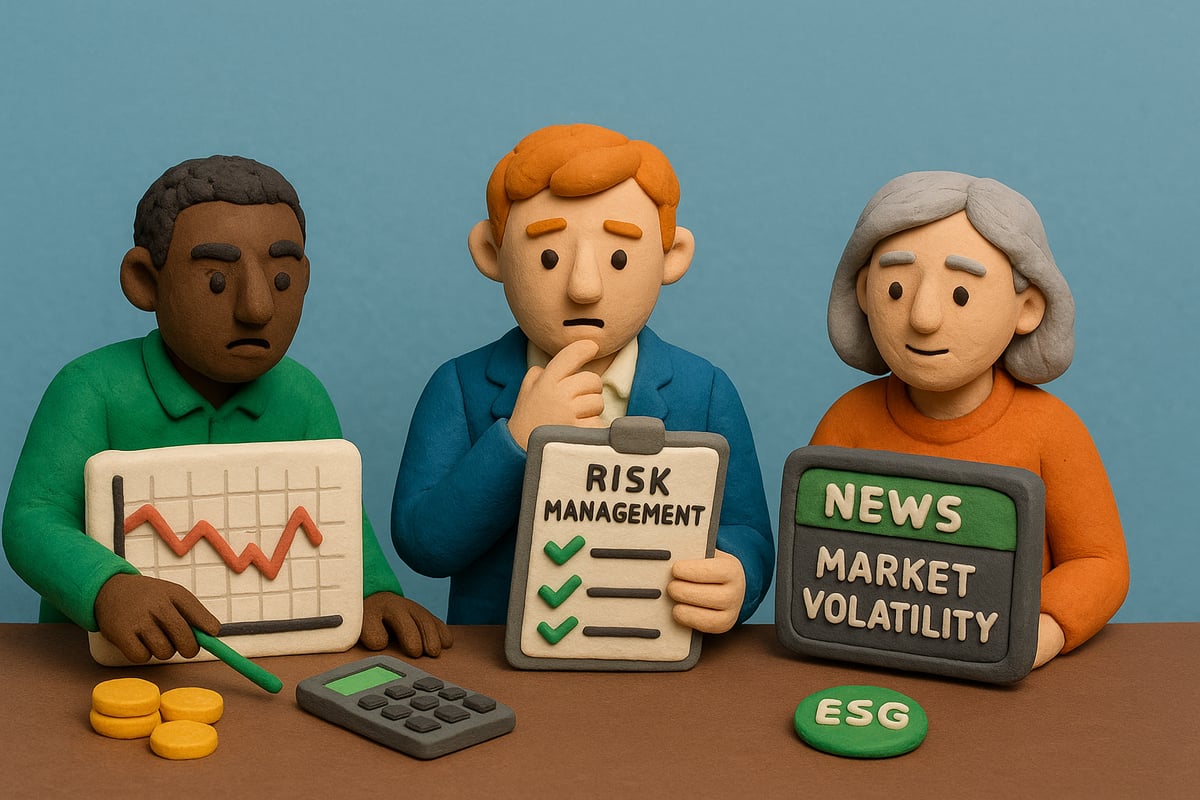
Effectively managing risk is essential for anyone stepping into the market, whether you are a beginner or a seasoned investor. Understanding the challenges and preparing for them can mean the difference between long-term growth and costly setbacks. Let’s break down what it takes to protect your investments and avoid common traps in 2026.
Recognizing and Managing Investment Risks
Every investor entering into the market faces risks that can impact their portfolio. The most common include market risk, credit risk, liquidity risk, and inflation risk. Assessing these risks should be your first step before making any investment decisions.
A practical approach includes setting stop-loss orders to limit potential losses and carefully sizing your positions. For example, allocating only a certain percentage of your portfolio to a single asset can help reduce the impact of one poor-performing investment. Maintaining an emergency fund and ensuring liquidity buffers are in place also provide a safety net during unexpected downturns.
If you want to learn more about how to effectively integrate into financial markets, check out this guide on integrating into financial markets. By taking these steps, you can confidently move into the market while minimizing avoidable risks.
Avoiding Hype and Emotional Decisions
Emotional reactions can lead to costly mistakes when moving into the market. It’s easy to get swept up by hype, especially during speculative bubbles or trending stocks discussed widely online. The phenomenon of FOMO—fear of missing out—often drives investors to make impulsive decisions without proper research.
Learning from the past, such as the meme stock surges seen in recent years, shows the dangers of following the crowd. Instead, focus on due diligence and always question the underlying value of an investment. Consider building a checklist to assess opportunities objectively before committing funds into the market.
Avoid chasing every new trend. A disciplined approach, rooted in research and a clear strategy, will help you stay focused and reduce the chance of regret. Remember, patience and consistency are your allies for long-term success.
Navigating Market Volatility
Market volatility is a natural part of investing. When you step into the market, expect fluctuations in asset prices driven by economic news, geopolitical events, and shifts in investor sentiment. While downturns can be unsettling, history shows that markets tend to recover over time.
To cope with volatility, stick to your investment plan and avoid making rash decisions during short-term swings. Diversifying your portfolio across different assets and sectors helps reduce the impact of any single market event. Setting regular review periods can help you adjust your strategy without reacting emotionally to daily changes.
Staying calm and maintaining a long-term perspective are crucial. Remind yourself that the power of compounding returns is realized over years, not days. This mindset will keep you grounded as you navigate into the market’s inevitable ups and downs.
Ethical and Sustainable Investing
More investors are considering ethical and sustainable factors when moving into the market. ESG (Environmental, Social, Governance) criteria are increasingly used to evaluate companies for their impact on society and the planet.
Aligning your investments with personal values can provide both financial returns and a sense of purpose. ESG funds and impact investing have gained traction, driven by demand for transparency and responsibility. By incorporating these principles, you not only support positive change but also position yourself to benefit from emerging global trends.
When evaluating opportunities, look for companies and funds with strong ESG credentials. This approach helps you build a resilient, future-focused portfolio as you step confidently into the market.
Tools, Resources, and Expert Insights for 2026
Navigating into the market in 2026 requires more than intuition. The right blend of technology, educational resources, and expert perspectives can empower investors to make informed decisions and maximize returns. Below, discover the essential tools and strategies to support your journey into the market.
Leveraging Technology for Smarter Investing
Technology is transforming how investors approach entering into the market. AI-driven investment platforms, robo-advisors, and advanced analytics tools offer unprecedented access to real-time data and automated portfolio management. These innovations help both beginners and experienced investors streamline their strategies, reduce human error, and capture emerging opportunities.
For example, platforms like TradingView and MarketWatch simulators allow users to practice trading with live data, making it easier to build confidence before committing real capital. Automated tools can analyze trends and identify potential investments in sectors highlighted by economic forecasts, such as AI or green energy. According to BofA's 2026 Economic Growth Forecast, advancements in AI are expected to play a pivotal role in driving global GDP growth, reinforcing the value of integrating technology into your investment process.
Incorporating these resources can position you to capitalize on shifts and move confidently into the market.
Continuous Learning and Community Engagement
Staying current is crucial for anyone aiming to succeed into the market. Continuous learning through market news, expert analysis, and educational resources enables you to adapt to evolving trends. Engaging with investment communities, such as forums and webinars, provides valuable peer insights and access to mentorship opportunities.
Simulation games and demo accounts offer risk-free environments to experiment with strategies and test new concepts before applying them in real scenarios. Peer learning helps demystify complex topics and supports better decision-making as you go deeper into the market.
Participating in these communities not only enhances knowledge but also builds a support network. This ongoing engagement ensures you are never navigating into the market alone.
Building Your Personalized Investment Roadmap
A successful journey into the market requires a clear, adaptable roadmap. Start by setting measurable milestones and regularly reviewing your progress. Use analytics tools to track performance and adjust strategies as market dynamics shift.
Personalization is key. Tailor your approach to your financial goals, risk tolerance, and time horizon. For long-term growth, focus on scalable strategies and consider resources like Scaling portfolio value to optimize your portfolio over time.
Documenting your investment plan and tracking outcomes can help you identify patterns and refine tactics. This proactive approach ensures your path into the market remains aligned with your evolving objectives.
Key Takeaways for 2026 Market Success
To succeed into the market in 2026, embrace technology, stay committed to learning, and build a strategy that reflects your unique goals. Remember the following:
Leverage AI and analytics for smarter decisions
Engage with communities for ongoing support
Set clear milestones and review performance regularly
Stay disciplined and patient in your approach
By integrating these principles, you position yourself to thrive as you move into the market. Ongoing education, adaptability, and a well-structured plan are your strongest assets for long-term success.