To Ramp Up: The Essential Guide for 2026
Ramp up your success in 2026 with our essential guide Learn proven strategies for planning technology adoption team building and future proofing your growth
scheduled
To ramp up is essential for thriving in 2026’s rapidly changing environment. Businesses and professionals will face new challenges, including technological disruption, evolving markets, and fierce competition.
Mastering how to ramp up brings faster growth, better adaptability, and a lasting competitive edge. This guide outlines a proven, step-by-step process to ramp up effectively for the future.
You will learn about strategic planning, adopting technology, building strong teams, optimizing operations, and future-proofing your ramp-up strategy.
Understanding the “Ramp Up” Concept in 2026
In 2026, to ramp up means more than accelerating business operations. It involves scaling resources, talent, and technology to meet fast-changing market demands. The concept now extends to professional growth, digital transformation, and innovation, making it a central strategy for any organization aiming for sustained success.
What Does It Mean to Ramp Up in 2026?
To ramp up in 2026 is synonymous with rapid adaptation and proactive scaling. For businesses, this means quickly mobilizing resources to capture emerging opportunities. For professionals, it translates into acquiring new skills and leveraging technology for career advancement.
This shift is driven by digital disruption, global competition, and evolving customer expectations. Companies that fail to ramp up risk losing relevance or market share.
Why Is Ramping Up More Important Than Ever?
Recent projections show that the pace of change will accelerate in 2026. Artificial intelligence, automation, and new business models are setting a faster tempo for every industry. Organizations must be ready to pivot, launch new products, or expand operations swiftly.
According to Gartner's 2024 Tech Trends Survey, businesses that manage to ramp up quickly gain a measurable edge, often increasing their market share by as much as 20 percent compared to slower competitors.
Core Elements of a Successful Ramp Up
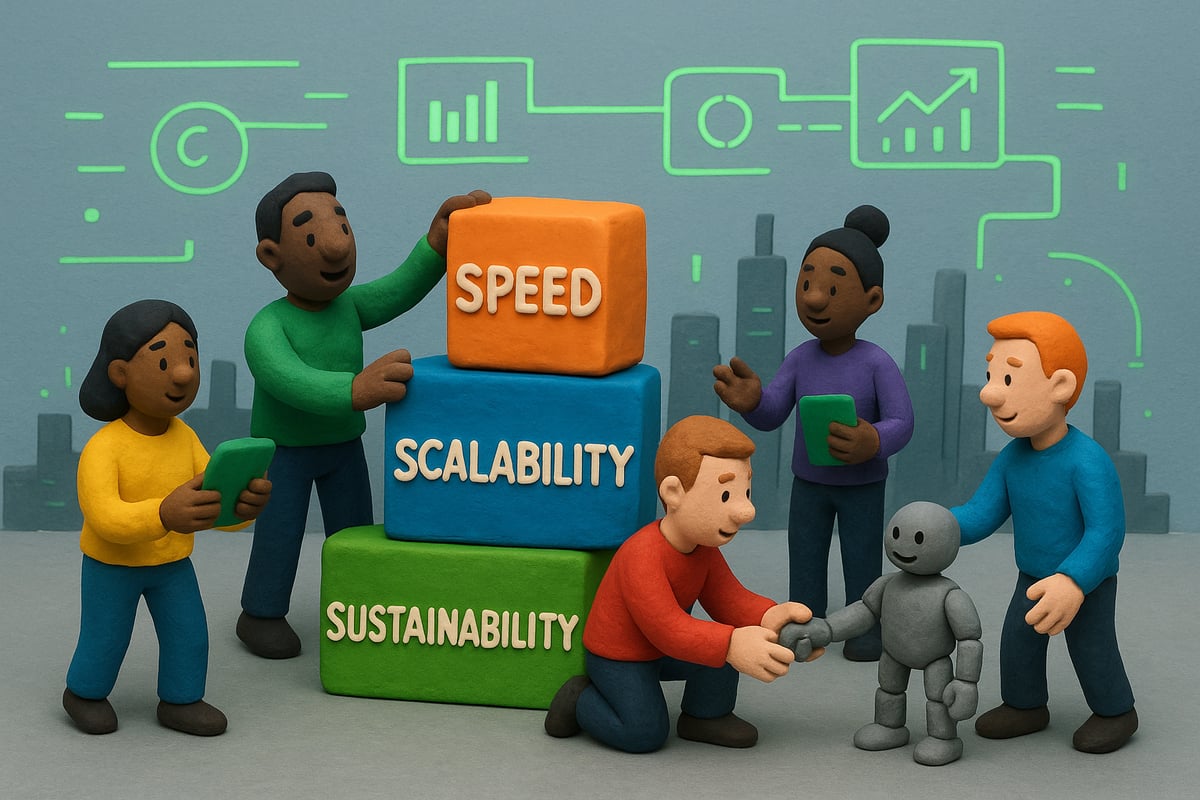
Three elements define successful ramp-up strategies in 2026:
Speed: Fast execution to seize opportunities.
Scalability: Ability to expand without sacrificing quality.
Sustainability: Maintaining momentum for long-term growth.
These pillars ensure that efforts to ramp up do not result in burnout or resource depletion.
Traditional vs Modern Ramp Up Approaches
Traditionally, to ramp up involved linear planning and incremental growth. Today, agile methodologies and digital tools enable iterative improvement, real-time decision-making, and cross-functional collaboration.
Approach | Traditional Ramp Up | Modern (Agile) Ramp Up |
|---|---|---|
Planning | Linear, long-term | Iterative, flexible |
Tools | Manual, siloed | Automated, integrated |
Feedback | Periodic, delayed | Continuous, real-time |
Companies like Tesla and Shopify have shown how agile ramp-up models lead to faster product launches and global expansion.
Risks and Misconceptions
A common misconception is that to ramp up is only about speed. In reality, neglecting scalability or sustainability can lead to costly failures. Organizations that ramp up recklessly may face operational bottlenecks, security vulnerabilities, or cultural misalignment.
Failing to ramp up effectively can leave businesses exposed to disruption, loss of market position, or reputational damage. In 2026, mastering the art of ramping up will be a necessity for survival and growth.
Step 1: Strategic Planning for a Successful Ramp Up
Strategic planning is the backbone for any organization aiming to ramp up in 2026. A robust plan not only clarifies direction but also positions teams to thrive amid rapid change. This step-by-step approach ensures your ramp-up journey is grounded in measurable goals, informed by market realities, and supported by agile resource management.

Setting Clear Objectives and KPIs
To ramp up successfully, the very first step is defining clear, measurable objectives. These objectives guide the entire ramp-up process and keep teams aligned with larger business goals. For 2026, effective KPIs might include customer acquisition rates for SaaS, speed to market for tech, or supply chain efficiency for manufacturing.
Industry | Example KPI | Measurement |
|---|---|---|
SaaS | Monthly active users growth | % increase/month |
Manufacturing | Production cycle time | Hours per unit |
Retail | Inventory turnover ratio | #/year |
Aligning KPIs with the overall strategy ensures every effort to ramp up delivers tangible value. For a deeper dive into maximizing value during growth, explore strategies to scale business value efficiently.
Assessing Market Trends and Opportunities
In 2026, leveraging advanced tools like AI-driven analytics and real-time data is essential to ramp up with confidence. These technologies enable rapid identification of market shifts and emerging opportunities. Digital transformation, ESG priorities, and shifting consumer preferences are key trends shaping ramp-up strategies.
Consider a retail company that used predictive analytics to anticipate a surge in eco-friendly products. By acting early, they captured significant market share. Regularly reviewing trends ensures your approach to ramp up remains relevant and competitive.
Resource Allocation and Budgeting
Allocating the right resources is crucial to ramp up efficiently. Successful organizations assess both financial and human capital needs before launch. For instance, technology firms often dedicate up to 30 percent of their ramp-up budget to talent acquisition and training.
Best practices include:
Prioritizing high-impact projects
Tracking spend against ramp-up milestones
Adjusting allocations as data emerges
By keeping resources flexible, you can respond quickly to changing needs and maximize the impact of your ramp-up efforts.
Risk Assessment and Contingency Planning
No plan to ramp up is complete without a thorough risk assessment. Identifying potential obstacles, such as supply chain disruptions or regulatory shifts, helps you prepare mitigation strategies in advance. Research shows that over 60 percent of ramp-up failures are due to inadequate risk management.
Key steps include listing known risks, assigning probability scores, and developing contingency plans for critical scenarios. This proactive approach reduces downtime and helps maintain momentum throughout the ramp-up phase.
Step 2: Leveraging Technology and Innovation
Adapting quickly in 2026 requires organizations to ramp up their technological capabilities and embrace innovation at every level. Leaders must make decisive moves to ramp up, from selecting the right tools to building robust digital foundations and fostering a resilient, security-first culture. Each step is crucial for sustainable, scalable growth.

Choosing the Right Technologies
The first step to ramp up is identifying technologies that align with your strategic goals and can scale as your business grows. In 2026, the landscape is dominated by AI-driven analytics, automation platforms, and flexible cloud solutions. Selecting the right mix requires a clear set of criteria:
Compatibility with existing systems
Ease of integration and user adoption
Scalability and long-term support
Proven ROI and security features
Organizations that successfully ramp up often prioritize platforms that offer seamless integration and future-ready capabilities. For example, companies that integrate new technologies seamlessly are able to minimize disruptions and accelerate their transformation timelines.
A recent survey showed that 72% of leaders who chose adaptive technologies saw measurable improvements in productivity and speed to market. To ramp up effectively, assess your current tech stack and identify gaps that could hinder your progress.
Digital Transformation Roadmap
A well-structured digital transformation plan is vital to ramp up efficiently. Begin with a clear vision, then map out each phase, including stakeholder alignment, resource allocation, and performance milestones.
Key steps include:
Assess digital maturity and set realistic targets.
Prioritize high-impact projects, such as AI adoption or process automation.
Develop a timeline with built-in flexibility for iteration.
Invest in training to ensure teams can operate new tools confidently.
Monitor progress using real-time data dashboards.
Industry reports highlight that companies with detailed roadmaps are 50% more likely to achieve their ramp-up objectives on schedule. Remember, to ramp up in 2026, your roadmap should be dynamic, allowing for rapid pivots as new opportunities and challenges emerge.
Fostering a Culture of Innovation
To ramp up at scale, organizations must nurture an environment where experimentation and continuous improvement are encouraged. Leadership should empower teams to test new ideas, adopt agile methodologies, and learn from both successes and setbacks.
Data from recent studies reveal that companies with a strong innovation culture experience ramp-up speeds up to 35% faster than their peers. Encourage open communication, reward creative problem-solving, and provide resources for ongoing professional development.
Cybersecurity and Data Protection
As you ramp up operations and embrace new technologies, robust cybersecurity becomes non-negotiable. Scaling quickly can expose vulnerabilities if security is not prioritized from the start.
Best practices include:
Implementing multi-factor authentication
Regular security audits and threat monitoring
Employee training to prevent breaches
Recent statistics show that 60% of fast-growing organizations faced cyber threats targeting their ramp-up efforts in 2025. To ramp up safely, integrate security protocols into every stage of your technology adoption and innovation process.
Step 3: Building and Empowering High-Performance Teams
To ramp up successfully in 2026, organizations must prioritize building and empowering high-performance teams. The process involves more than just hiring; it requires a strategic approach to talent, learning, leadership, and inclusion. Businesses that invest in their people gain the agility and resilience needed to ramp up in a dynamic market.

Talent Acquisition and Onboarding
Attracting top talent is fundamental for any organization aiming to ramp up. In 2026, the competition for skilled professionals is intense, making employer branding and personalized recruitment strategies more critical than ever.
Effective onboarding accelerates team integration and performance. Modern onboarding involves digital platforms, mentorship programs, and clear communication of company values. For instance, companies that follow effective onboarding best practices often see faster adaptation and employee engagement.
Key practices include:
Leveraging AI tools to identify and attract candidates aligned with company culture
Creating structured onboarding journeys with role-specific milestones
Assigning mentors to guide new hires through their first months
To ramp up operational capacity, organizations must ensure every new hire becomes productive quickly, minimizing downtime and fostering early collaboration.
Upskilling and Continuous Learning
To ramp up for 2026, businesses need to commit to ongoing learning. The rapid pace of technological change means yesterday’s skills can quickly become obsolete. Upskilling programs keep teams relevant, engaged, and ready for new challenges.
Data shows that organizations investing in continuous learning see improved retention and innovation. Popular upskilling methods include:
Offering microlearning modules and online courses
Encouraging cross-functional training and job rotations
Providing access to external certifications and workshops
A culture of learning empowers teams to ramp up for evolving customer needs and market trends, ensuring sustained growth and adaptability.
Leadership and Change Management
Strong leadership is essential to ramp up team performance during periods of rapid change. Leaders must communicate a clear vision, support their teams, and manage resistance to new processes.
Harvard Business Review notes that successful change management relies on transparent goals, employee involvement, and ongoing feedback. Effective leaders:
Set clear expectations for ramp-up phases
Foster open communication and trust
Recognize and address team concerns proactively
To ramp up efficiently, organizations should prioritize leadership development, ensuring managers can guide teams through transformation with confidence and empathy.
Diversity, Equity, and Inclusion Initiatives
Diverse teams bring broader perspectives, fueling innovation and better decision-making. To ramp up for 2026, organizations must embed diversity, equity, and inclusion (DEI) into their talent strategies.
Research indicates that companies with strong DEI practices outperform peers in creativity and financial results. Key DEI initiatives include:
Implementing unbiased recruitment and promotion processes
Setting measurable diversity goals and tracking progress
Creating safe spaces for dialogue and feedback
To ramp up and remain competitive, fostering an inclusive environment is not optional—it is a strategic necessity that drives sustainable success.
Step 4: Optimizing Processes and Operations
Successfully optimizing processes and operations is crucial to ramp up efficiently in 2026. As competition intensifies and technology advances, organizations must continually refine their workflows, monitor performance, embrace agile practices, and strengthen their supply chains. This step guides you through the core areas where operational excellence enables sustainable growth and resilience.
Workflow Automation and Efficiency
To ramp up operations in 2026, identifying workflow bottlenecks and implementing automation is essential. Automated systems reduce manual errors, free up talent for higher-value tasks, and accelerate project timelines. Start by mapping your core processes, then use analytics to pinpoint inefficiencies.
Consider integrating AI-driven tools, robotic process automation, and real-time dashboards. For example, a global logistics firm leveraged workflow automation to cut processing times by 40 percent, enabling them to ramp up delivery capacity during seasonal peaks. For detailed strategies on enhancing workflows, see how to optimize workflows for growth.
Map current workflows to identify redundancies.
Automate repetitive or rule-based tasks.
Monitor results and iterate for continuous improvement.
By optimizing these areas, organizations are better positioned to ramp up quickly and effectively, meeting market demands head-on.
Quality Assurance and Performance Monitoring
Quality assurance is central to maintaining momentum as you work to ramp up. Establish robust systems for ongoing performance monitoring and quality checks. This includes setting clear benchmarks, using automated alerts for deviations, and conducting frequent audits.
Data shows that organizations with mature QA processes experience up to 30 percent higher success rates when they ramp up new initiatives. Implementing continuous feedback loops ensures early detection of issues, reducing costly rework.
Define measurable quality standards.
Use digital tools for real-time monitoring.
Encourage teams to report and resolve issues promptly.
This focus on quality and performance enables scalable, reliable growth even during accelerated ramp-up phases.
Agile Methodologies and Iterative Improvement
Agile frameworks are increasingly vital for organizations looking to ramp up with speed and flexibility. By breaking projects into manageable sprints and encouraging iterative feedback, teams can adapt to changes rapidly.
For instance, tech companies that adopted agile methodologies saw their time to ramp up new product lines decrease by 25 percent. Agile practices also foster collaboration and transparency, allowing for quick course corrections and innovation.
Implement scrum or kanban boards for visibility.
Hold regular retrospectives to capture lessons learned.
Empower cross-functional teams to make decisions.
Adopting agile not only supports operational efficiency but also builds a culture that is ready to ramp up for future challenges.
Supply Chain and Vendor Management
A resilient supply chain is vital when aiming to ramp up operations at scale. In 2026, advanced technologies like mobile robots are transforming how companies manage inventory and logistics. According to Gartner's Hype Cycle for Mobile Robots and Drones, these innovations are reducing delays and boosting supply chain agility.
Diversify vendor relationships to minimize risk.
Invest in supply chain analytics for real-time insights.
Prepare contingency plans for disruptions.
Recent statistics reveal that nearly 60 percent of ramp-up delays are linked to supply chain issues. Strengthening this area will ensure you are ready to ramp up and sustain momentum in dynamic markets.
Step 5: Future-Proofing Your Ramp Up Strategy
Adapting to 2026’s rapidly shifting landscape demands more than just agility—it requires a proactive approach to ramp up strategies. Future-proofing means building resilience, anticipating change, and embedding adaptability into every layer of your business. Let’s explore the essential elements you need to secure long-term success as you prepare to ramp up for tomorrow’s challenges.
Scenario Planning and Forecasting
To ramp up effectively for 2026, organizations must embrace scenario planning as a core discipline. Predictive analytics and advanced AI tools help leaders anticipate emerging risks, shifting demands, and new opportunities. By modeling multiple scenarios, you can make informed decisions about where and how to ramp up resources, capabilities, and investments.
Consider using platforms that aggregate real-time data to create actionable forecasts. Leading organizations that consistently outperform competitors leverage scenario planning to ramp up quickly when market windows open or pivot when disruptions arise. According to McKinsey's Insights on Organizational Transformations, companies that adopt dynamic forecasting methods are better positioned to ramp up operations and sustain growth even in volatile conditions.
Key steps for scenario planning in 2026:
Identify critical drivers of change in your industry.
Develop multiple plausible scenarios.
Set triggers and thresholds for decision points.
Monitor indicators and update forecasts regularly.
By embedding scenario planning into your ramp up process, your organization can adapt swiftly and confidently—no matter what the future holds.
Sustainability and ESG Integration
Sustainability is no longer optional when aiming to ramp up for long-term success. Integrating Environmental, Social, and Governance (ESG) factors into ramp up strategies ensures compliance, protects brand reputation, and drives innovation. Businesses that prioritize ESG see increased stakeholder trust and improved access to capital.
To ramp up responsibly, consider these best practices:
Conduct ESG risk assessments during the planning phase.
Set measurable sustainability targets aligned with your ramp up goals.
Engage suppliers and partners in your ESG journey.
Recent data shows that companies with strong ESG integration are more likely to ramp up successfully and maintain growth in an era where social responsibility is a top priority.
Customer-Centric Adaptation
Placing the customer at the center of your ramp up strategy is crucial for enduring relevance. As expectations evolve, using real-time feedback and personalization tools can help you ramp up solutions that truly resonate with your audience.
To ramp up customer-centricity, start by mapping the customer journey and identifying pain points. Leverage AI-driven insights to tailor products and services, and implement rapid feedback loops to adjust offerings in near real time.
Key actions include:
Gathering and analyzing customer data continuously.
Personalizing communication and support.
Iterating on products based on customer feedback.
Organizations that prioritize customer-centric adaptation not only ramp up faster but also foster loyalty and long-term advocacy.
Measuring and Iterating for Long-Term Success
Continuous improvement is vital when you aim to ramp up sustainably. Establish clear metrics and feedback loops to monitor progress and course-correct as needed. According to the Harvard Business Review on Change Management, organizations that embed measurement and iteration into their ramp up process consistently outperform those that rely on static plans.
To ramp up with confidence, set regular review intervals, involve cross-functional teams in assessing outcomes, and be ready to pivot based on evidence. By making iteration a habit, your organization will be positioned not just to ramp up, but to thrive amid ongoing change.